

Features
I F#!KING LOVE: COUNTERSTRIKE — 25 Years of Esports in the Making
From a Half-Life mod to stadiums of 15,000 — the complete history of Counter-Strike, the game that built competitive gaming.
Long-form interviews, retrospectives, and deep dives.
RSS Feed From a Half-Life mod to stadiums of 15,000 — the complete history of Counter-Strike, the game that built competitive gaming.

The game that built esports. Our first documentary explores how StarCraft Brood War created the template every modern esport inherited.
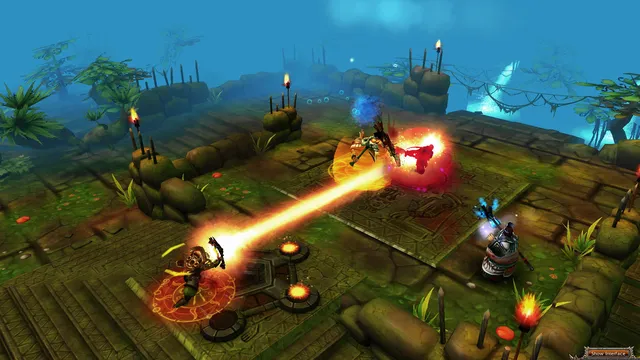
Pure skill. No items. No auto-attacks. BLC was the competitive game everyone wanted before anyone knew they wanted it.
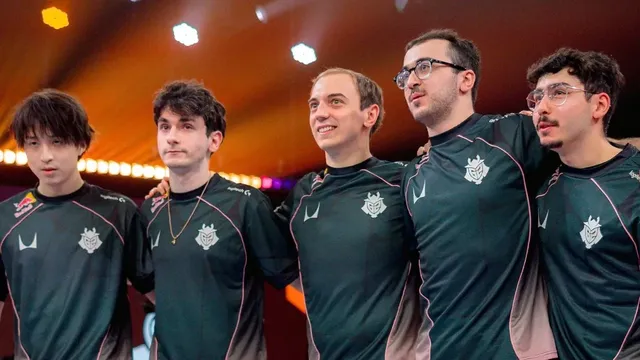
Swept by BLG, left for dead, and now one series away from proving the West still has a pulse.
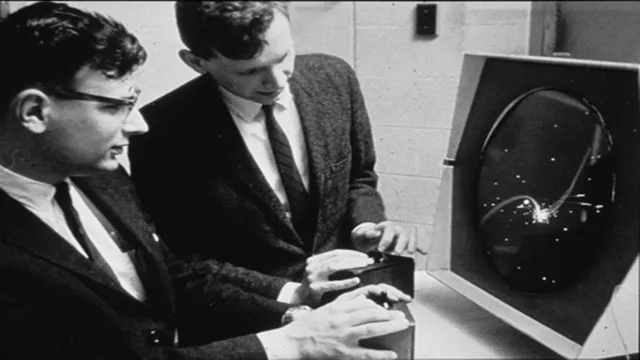
Two physicists pointed digital ships at each other in 1962. Sixty years later, millions watch strangers do the same thing for millions of dollars.
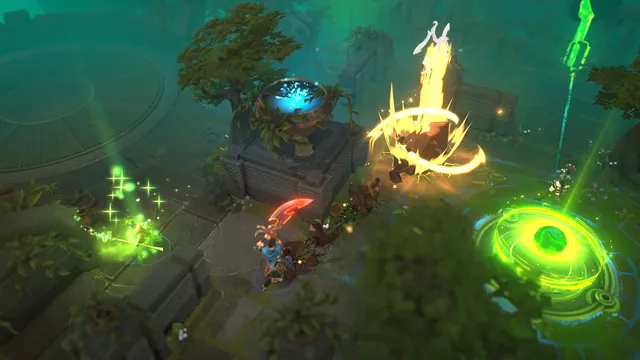
The best competitive PVP experiences aren't all coming from big studios. Here's every indie PVP game worth watching — from arena brawlers to platform fighters to experimental combat games.
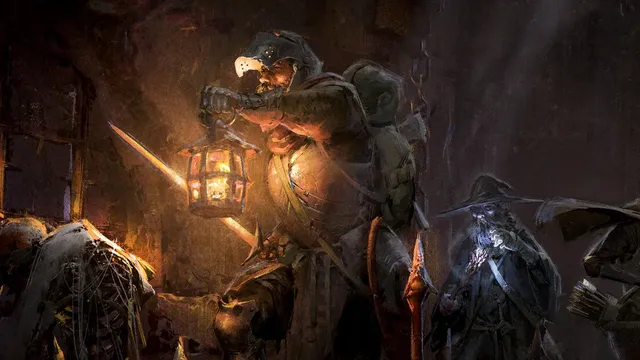
Ironmace built a dungeon crawler where the real boss is the other players. How Dark and Darker turned PVPvE extraction into the most compelling loot loop since Tarkov.
Dota 2 doesn't apologize for being hard. Its depth, mechanical density, and refusal to simplify are exactly why nothing else in the MOBA space feels like it.
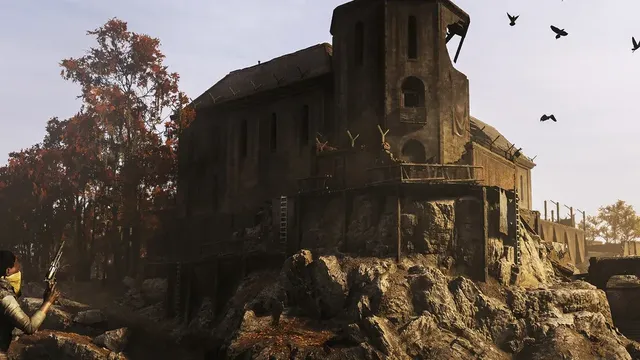
Crytek built a PVP game where the fear of losing matters as much as the thrill of winning. Hunt: Showdown's extraction formula creates tension no other shooter can match.

24 Entertainment built a battle royale where swords beat guns. How Naraka's parkour-driven melee combat created the action BR nobody expected.

Respawn built a battle royale where how you move matters more than how you aim. Apex Legends' movement system created an entire subgenre of mechanical expression.
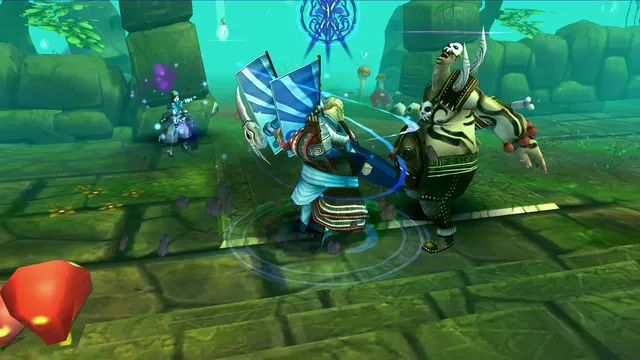
Before Battlerite, before the genre had a name, there was Bloodline Champions. A complete look at the game that invented the arena brawler — its mechanics, its bloodlines, and why it still matters.
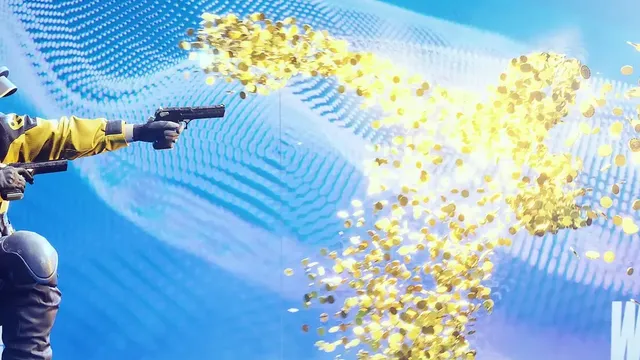
Embark Studios built an FPS where the map is a weapon. The Finals' destruction system creates emergent gameplay that scripted shooters can't replicate.

Riot took Counter-Strike's gunplay and Overwatch's hero system and fused them into the most-played tactical shooter in the world. Here's why the blend works — and where it doesn't.

Matchmaking is the invisible system that determines whether your PVP game feels fair or infuriating. Here's how it actually works and why it's so hard to get right.

Epic accidentally created the highest skill-ceiling mechanic in battle royale history — then had to figure out what Fortnite is without it. The answer reveals everything about modern PVP design.
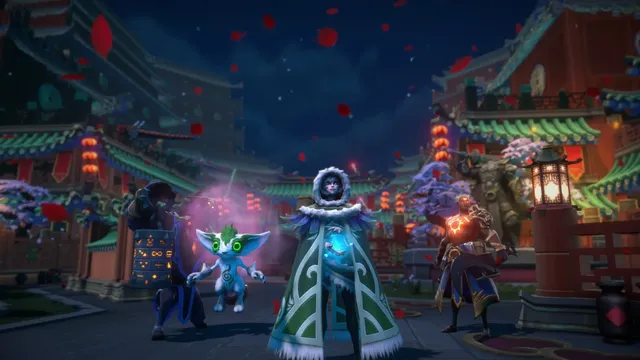
Indie PVP games face a brutal chicken-and-egg problem: they need players to be fun, but they need to be fun to get players. Can the cycle be broken?
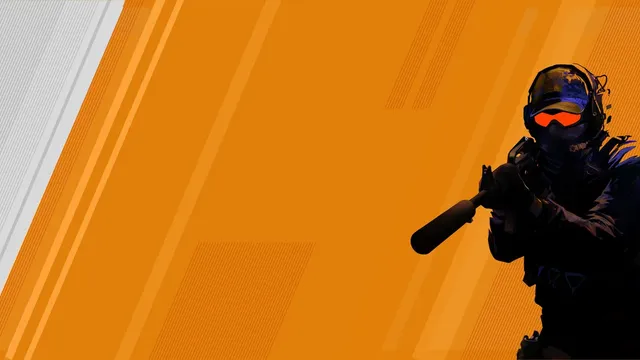
Valorant and CS2 aren't just competing for players — they represent fundamentally different beliefs about what a tactical shooter should be.

Skill-based matchmaking isn't broken — it's solving a problem that has no clean solution. Here's why every approach has tradeoffs nobody wants to accept.
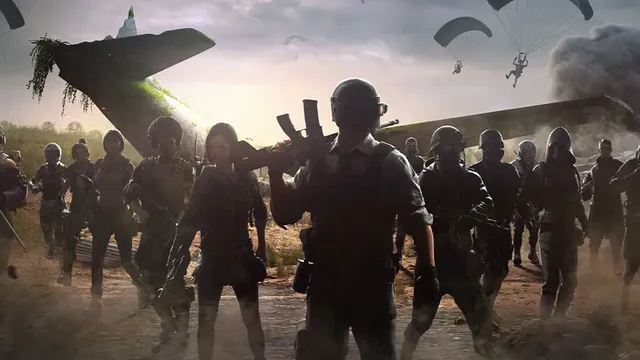
PlayerUnknown's Battlegrounds created a genre, peaked at 3.2 million concurrent players, and then lost the crown it built. This is the full story.

WoW Arena didn't just create competitive MMO PVP — it wrote the rulebook that Battlerite, BLC, and every arena brawler still follows.

The math says ELO hell doesn't exist. Your brain says it does. Both are right, and understanding why changes how you think about ranked.
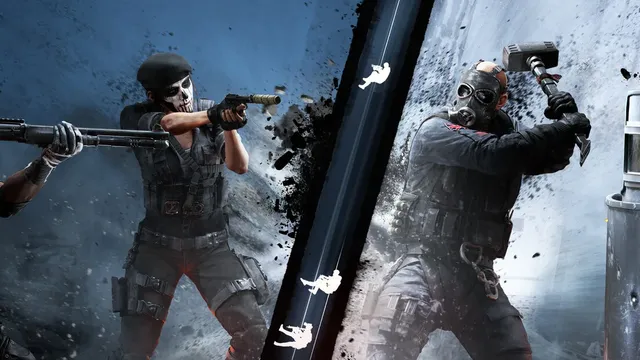
Destructible walls. Camera drones. One-shot headshots. How Siege built the most information-driven PVP shooter ever made — and why nothing else plays like it.