
Fighting games are the purest form of PVP. No teammates to blame, no objectives to hide behind, no RNG to cushion a loss. It’s you, your opponent, and whoever understands the game better wins. That simplicity is what makes the genre beautiful, and also what makes it terrifying.
2026 is the best year to be a fighting game player in history. The top end has never been this polished. The mid-tier has never been this deep. Rollback netcode is the standard. Crossplay is increasingly common. The FGC is larger and more diverse than it’s ever been.
This list is ranked by how much each game rewards competitive investment right now — not by legacy, player count, or production budget. Depth matters. Community matters. The feeling of sitting down, picking your character, and knowing that what happens next is entirely on you — that matters most.
The Elite
1. Street Fighter 6
Subgenre: Traditional 2D | Price: $40-60 | Netcode: Rollback (excellent)
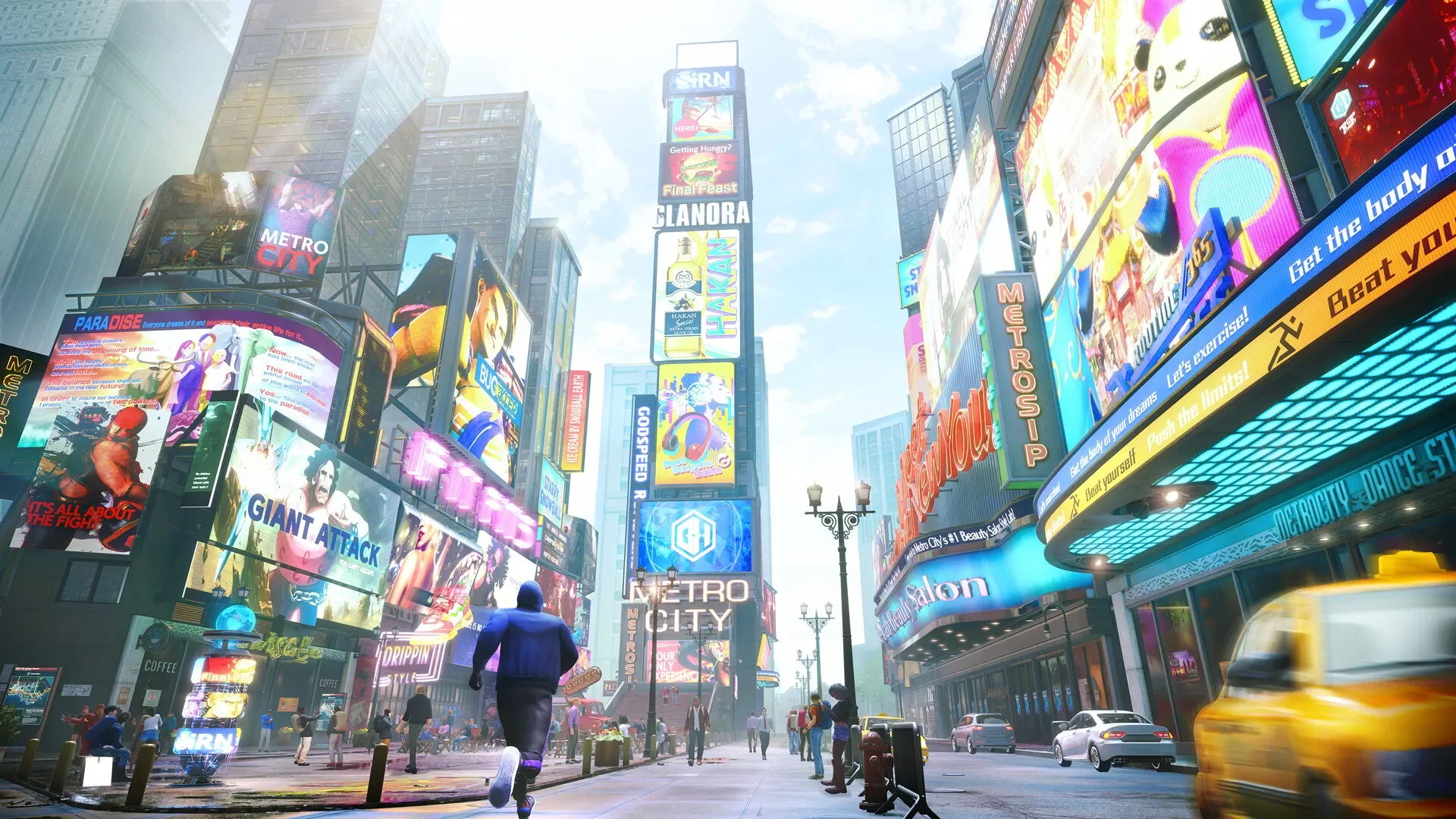
SF6 proved the FGC right. For years, the community said the genre didn’t need to be dumbed down — it needed to be presented better. Capcom listened, and the result is the most complete fighting game package ever assembled.
The Drive System is the mechanical centerpiece, and it’s a masterclass in resource management design. Six bars of meter that fuel everything — parries, rushes, reversals, powered-up specials, armored strikes. Managing Drive is a constant, moment-to-moment decision that creates depth at every skill level. New players understand “meter empty = bad.” Pros understand the exact frame-by-frame calculus of when to spend and when to conserve. That’s the hallmark of a great competitive mechanic: legible at a glance, infinite at depth.
The Battle Hub recreates the arcade experience online better than anything else has managed. Walking up to a cabinet and sitting down against whoever is there — that social framing makes ranked losses sting less and wins feel earned. Modern Controls brought in players who would never have tried a traditional fighter, and Classic Controls kept the veterans happy. World Tour is a surprisingly deep single-player mode that actually teaches you the game instead of being a disconnected afterthought.
The criticism? Season pass pricing is aggressive, and some characters at launch felt undertuned compared to the DLC roster. The learning curve between “can do combos in training mode” and “can do combos under pressure” is still steep, even with Modern Controls.
Who it’s for: Everyone. That’s not a cop-out — SF6 genuinely has something for complete beginners and 20-year FGC veterans. If you’re only going to play one fighting game, it should be this one.
2. Guilty Gear Strive
Subgenre: Anime / Air-dasher | Price: $40-60 | Netcode: Rollback (excellent)
Strive is the most beautiful fighting game ever made, and I don’t mean that as a compliment about the graphics alone. The beauty is in how the visual design serves the competitive design — every frame of animation is information, every particle effect is a tell, every camera angle communicates advantage state. The game looks like art because readability is art.
The Roman Cancel system is the deepest universal mechanic in any fighting game. Four types of RC, each triggered by different game states, each opening different strategic paths. A beginner uses Red RC to extend a combo. A veteran uses Purple RC to bait a response in neutral, then punishes the whiff with a full conversion. The gap between those two uses represents hundreds of hours of skill expression, and that’s only one mechanic.
Arc System Works caught heat from the Xrd community for “simplifying” Strive, but what they actually did was shift complexity from execution to decision-making. Combos are shorter, but the choices within each interaction are richer. That trade is worth it, and the tournament results prove it — Strive top 8s are consistently the most varied and exciting brackets in the FGC.
The honest downside: the lobby system is still bad. It was bad at launch, it’s been patched, and it’s still the worst part of the experience. The pixel avatar system is charming but functionally inferior to a simple menu.
Who it’s for: Players who want creative self-expression in their competitive gameplay. If you want a fighter where your personal style genuinely matters and every match feels different, Strive is unmatched.
3. Tekken 8
Subgenre: 3D | Price: $60-70 | Netcode: Rollback (good)
Tekken 8’s aggressive meta is exactly what the franchise needed. After years of Tekken 7’s optimal strategy being “backdash and wait,” the Heat System forces engagement. It’s a once-per-round offensive resource that you lose if you don’t use it, which means passive play now has an explicit cost. Both players want to press forward, and the result is that every round has momentum, tension, and drama.
The 3D axis makes Tekken fundamentally different from anything else on this list. Sidestepping, tracking moves, wall carry, floor breaks — the spatial dimension adds layers of depth that 2D games can’t replicate. The move lists are enormous (70-100+ moves per character), which means the knowledge check aspect is real and ongoing. You will lose matches because your opponent did something you’ve never seen before. That’s part of the experience.
Tekken 8’s story mode is ambitious and visually spectacular, even if the writing is soap-opera-tier. The practice mode is comprehensive, the replay system is excellent, and the overall package feels like Bandai Namco gave the team the budget they deserved.
The criticism is the roster pricing and the perceived pay-to-win optics of DLC characters launching strong. Tekken has also always had a higher barrier to entry than most 2D fighters — the move lists are intimidating, and learning to move properly in 3D takes dedicated practice.
Who it’s for: Players who love depth and are willing to invest heavily in one game. If you want the deepest movement system and the most moves to learn, Tekken is your game. The skill ceiling functionally doesn’t exist.
4. Mortal Kombat 1
Subgenre: Traditional 2D | Price: $60-70 | Netcode: Rollback (good)
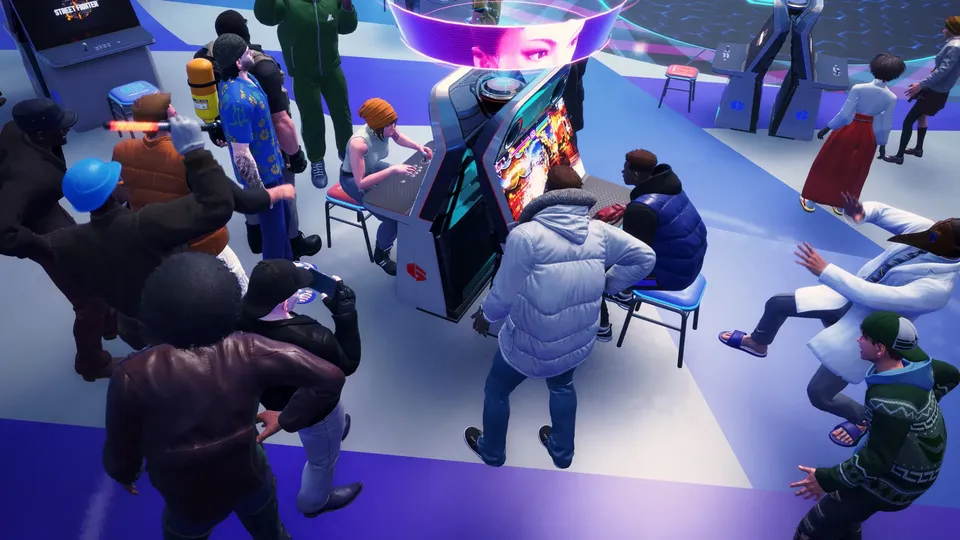
NetherRealm doesn’t make fighting games for the FGC purists, and that’s precisely why MK1 deserves its spot here. The Kameo system — where you pick a main character and an assist character from a separate roster — adds genuine team-building strategy to a traditionally 1v1 genre. Choosing which Kameo covers your character’s weaknesses versus which one amplifies their strengths is a layer of depth that keeps the meta evolving.
MK1 has the best story mode in fighting game history. That’s not controversial — NRS has been the gold standard for single-player fighting game content since MK9, and MK1’s timeline-reset narrative is their most ambitious yet. The cinematic quality of the cutscenes and the integration of gameplay into the story beats genuinely feel like a AAA action game that happens to also be a competitive fighter.
The competitive scene is healthy and active. NRS games tend to have shorter competitive lifespans than Capcom or Bandai Namco titles, partly because the annual-ish release cycle keeps the community moving forward. But in its window, MK1 is delivering.
The criticism: the Kameo balance is uneven, with some Kameos feeling mandatory and others feeling like trolling. The string-based combo system is divisive — execution is about memorizing dial-a-combo sequences rather than the hitconfirm improvisation that traditional fighters reward. And the gore, while iconic, still turns some players away from an otherwise excellent game.
Who it’s for: Players who want strong single-player content alongside their competitive experience. If you care about story, presentation, and having a full package beyond just versus mode, MK1 delivers.
5. Dragon Ball FighterZ
Subgenre: Tag Team / Anime | Price: $15-60 | Netcode: Rollback (patched in)
DBFZ is the best tag fighter ever made, and in 2026 it’s still pulling tournament entrants that games half its age would kill for. Arc System Works took the Marvel vs. Capcom formula — three characters, assists, team synergy — and applied their visual wizardry and mechanical polish to it. The result is a game that looks like the anime, plays like a dream, and rewards team-building creativity more than almost anything else on this list.
The assist system is where DBFZ’s depth lives. Choosing which characters to pair, which assist types to select, and how to structure your team’s offense and defense is a metagame unto itself. A well-constructed team is more than the sum of its parts. A poorly constructed one falls apart the moment you lose your point character.
The rollback netcode patch (years after launch) saved this game’s online competitive viability. Before rollback, DBFZ online was a slideshow. After it, cross-continent matches became genuinely playable. The FGC’s insistence on rollback netcode as a standard was vindicated again.
The criticism: auto-combos and universal mechanics can make characters feel samey at lower levels. The skill gap between “can do auto-combo” and “can do optimized ToD routes” is enormous. And the balance at top level is heavily concentrated around a small subset of characters.
Who it’s for: Dragon Ball fans who want competitive depth, tag-team enthusiasts, and players who want one of the most visually spectacular competitive experiences in gaming.
The Contenders
6. Under Night In-Birth II Sys:Celes
Subgenre: Anime / Grounded | Price: $50 | Netcode: Rollback (good)
Under Night is the fighting game that other fighting game players tell you to play. It’s the game that tournament commentators mention when they want to establish credibility. It’s the “I listen to the deep cuts” of the FGC, and that reputation is entirely earned.
The GRD (Grind Grid) system is the most interesting resource mechanic in any anime fighter. It’s a tug-of-war meter that rewards the player who controls space and takes smart risks. Win the GRD cycle and you get access to Chain Shift — essentially a free Roman Cancel. Lose it and your opponent gets the advantage. This creates a constant sub-game of neutral control that overlays the standard fighting game interaction. You’re always playing two games at once.
UNI2 improved the netcode, rebalanced the roster, added new characters, and refined the systems without losing what made the original special. It’s the rare sequel that makes everything better without changing what didn’t need fixing.
The criticism is the player base. Under Night has always been niche, and niche means longer queue times, smaller tournament brackets, and a community that can feel insular. The visual presentation, while clean and readable, lacks the spectacle of Strive or the production value of SF6. It looks like a mid-budget anime fighter, and first impressions matter.
Who it’s for: Intermediate-to-advanced players who’ve already exhausted the surface-level depth of bigger games. If you want a grounded anime fighter with a unique strategic layer, UNI2 is the answer.
7. Granblue Fantasy Versus: Rising
Subgenre: Anime / Accessible | Price: $50 | Netcode: Rollback (good)
GBVSR is the game you recommend to someone who’s watched fighting game tournaments and wants to try but is intimidated by the execution barrier. The simple inputs — one-button specials alongside traditional motion inputs — mean that new players can do everything their character is capable of within their first hour. The skill expression comes from when and why you use each tool, not from whether you can physically execute it.
That accessibility isn’t at the expense of depth, though calling it as deep as Strive or SF6 would be dishonest. GBVSR’s cooldown-based special moves create a unique resource management layer — use the simple input and you get a longer cooldown, use the motion input and you recover faster. This elegant trade creates a built-in incentive to learn traditional inputs without punishing players who can’t.
The Cygames IP brings in a dedicated fanbase from the mobile game, and the Grand Bruise online mode (a battle royale-style survival mode) is genuinely innovative for the genre. The competitive scene is active, particularly in Japan.
The criticism: the roster draws from an IP that Western audiences largely don’t know. Character designs are beautiful but may not hook players who don’t have Granblue nostalgia. Neutral game can feel slow and footsie-heavy at higher levels, which turns off players looking for anime-game chaos.
Who it’s for: New fighting game players who want a real competitive game with a gentle on-ramp. Also for veterans who want something clean and deliberate between sessions of more chaotic games.
8. Rivals of Aether II
Subgenre: Platform Fighter | Price: $30 | Netcode: Rollback (excellent)
Rivals 2 is the platform fighter that the competitive Smash community always wanted. It takes the things Smash does brilliantly — positioning, edge-guarding, stage control, percent-based knockback — and strips away everything that frustrated competitive players. No items, no stage hazards by default, no random tripping. Just the pure platform fighter experience, built from the ground up for competition.
The character designs are original and mechanically distinct in ways that Smash characters rarely achieve. Every character feels like a different game. Zetterburn’s fire mechanic is nothing like Wrastor’s air control, which is nothing like Kragg’s rock placement. The roster is smaller than Smash, but every character has more mechanical depth than most Smash characters dream of.
The workshop/modding support is exceptional. Community-created characters, stages, and game modes extend the game’s lifespan enormously. The competitive scene is growing, with dedicated tournament organizers and an increasingly structured ranking system.
The criticism: the player base is small compared to Smash or MultiVersus. Finding matches at high ranks can take time outside peak hours. The art style, while charming, reads as “indie” in a way that turns off players conditioned by AAA production values. And the pure competitive focus means there’s less casual content to fall back on when you don’t feel like sweating.
Who it’s for: Competitive platform fighter players who want the genre taken seriously. If you left Smash because of the disconnect between casual design and competitive play, Rivals 2 is exactly what you’re looking for.
9. King of Fighters XV
Subgenre: Traditional 2D / Team | Price: $40-60 | Netcode: Rollback (good)
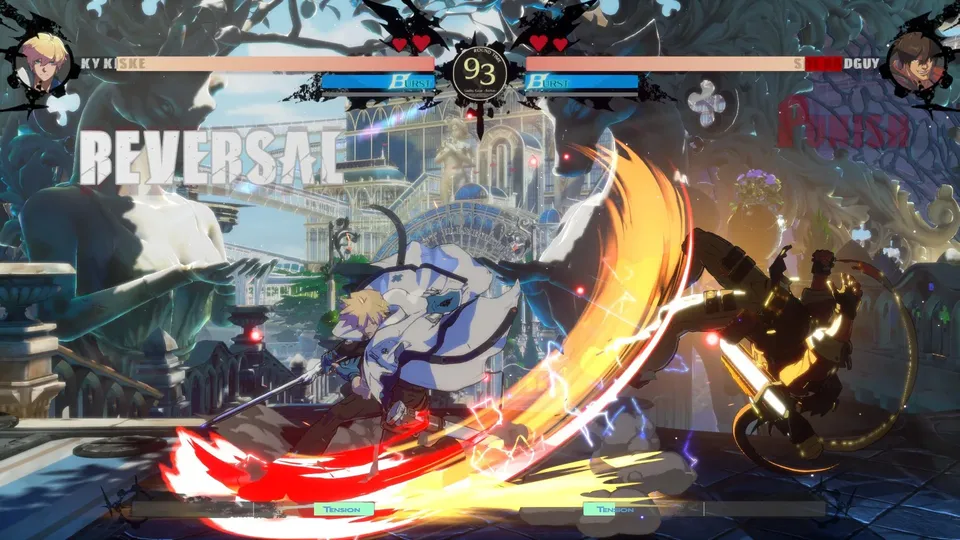
KOF XV deserves better than the attention it gets. SNK’s 3v3 team structure creates strategic depth that 1v1 games can’t match — team order matters, meter management across three characters matters, and having a strong anchor who can comeback with full meter is its own skill.
The movement is the best in any 2D fighter. Hyper hops, short hops, full jumps, super jumps — four distinct aerial approach angles, plus rolls, runs, and backsteps. The neutral game rewards spatial creativity in a way that Street Fighter’s grounded approach doesn’t attempt. Max Mode conversions give advanced players enormous execution-based skill expression.
The criticism: online population outside Latin America, the Middle East, and parts of Asia is thin. KOF has always been regional rather than global. The tutorial is inadequate for the game’s complexity, and the visual presentation doesn’t compete with its peers.
Who it’s for: Players who want the deepest movement system in 2D fighters. If you’re in a KOF-strong region, this could honestly be higher on the list.
10. Skullgirls 2nd Encore
Subgenre: Tag Team / Indie | Price: $25 | Netcode: Rollback (excellent, GGPO pioneer)
Skullgirls helped save fighting games. That’s not hyperbole. It was one of the first games to implement GGPO rollback netcode, years before the rest of the genre caught up. It proved that indie developers could make tournament-viable fighting games. It proved that you didn’t need a Japanese studio or a AAA budget to make something deep, beautiful, and competitively legitimate.
The variable team size system (1v1, 2v2, or 3v3, with solo characters getting health and damage buffs) is still one of the most elegant solutions to the “assist dependency” problem in tag fighters. You’re never forced into a team structure you don’t want. The art is hand-drawn frame by frame, and it looks better in motion than most 3D fighters. The animation quality is staggering for the budget.
The competitive community has been active for over a decade now. That’s extraordinary for an indie fighting game. Regular balance patches, continued character support, and a developer who genuinely plays and understands the game at a competitive level have kept Skullgirls relevant far longer than anyone predicted.
The criticism: the art style is polarizing. The character designs lean into a specific aesthetic that some players love and others find off-putting. The roster is small by modern standards, which limits matchup variety at tournament level. The community, while dedicated, is small enough that finding matches at odd hours or in certain regions is difficult.
Who it’s for: Players who appreciate fighting game craftsmanship. If you care about netcode quality, animation quality, and systems design more than roster size or brand recognition, Skullgirls is a must-play.
The Deep Cuts
11. Melty Blood: Type Lumina
Subgenre: Anime / Air-dasher | Price: $50 | Netcode: Rollback (good)
Melty Blood started as a doujin game based on a visual novel and evolved into a legitimately deep competitive game that runs side tournaments at every major. Type Lumina retains the aggressive, momentum-based gameplay that made the series beloved while wrapping it in proper production.
The Moon System gives each character three playstyles, effectively tripling roster variety. Reverse Beats (canceling heavies into lights) creates pressure strings unique to the series. Shield is high-risk high-reward. If you’ve only played Street Fighter, Melty Blood’s pacing will feel alien — then exhilarating.
The criticism: niche anime game, niche IP, small player base, slow matchmaking. The tutorial doesn’t do the systems justice.
Who it’s for: Anime fighter enthusiasts who’ve played Strive and want something faster and more aggressive.
12. Brawlhalla
Subgenre: Platform Fighter | Price: Free-to-play | Netcode: Rollback (good)
Brawlhalla is the most-played fighting game in the world by raw player count. It’s free, it runs on everything, the netcode works, and the gameplay — while simpler than Smash or Rivals — is genuinely competitive. The weapon-swap system, where characters share weapon types but have unique signatures, creates a meta where you’re learning weapons as much as characters.
Ubisoft has invested in esports support with real prize pools, and the international representation is broader than almost any other FGC game. The accessibility is both the strength and weakness — switching characters is trivial, which weakens character loyalty, and high-level play can devolve into repetitive edge-guarding patterns.
The criticism: visually generic, characters feel like skins, and the depth ceiling is lower than its competitors. Serious platform fighter players dismiss it, which limits competitive prestige regardless of actual skill involved.
Who it’s for: Players who want a free, accessible platform fighter with a guaranteed player base.
13. MultiVersus
Subgenre: Platform Fighter | Price: Free-to-play | Netcode: Rollback (decent)
MultiVersus has had one of the rockiest launches in fighting game history — a promising beta, a shutdown, a re-launch with different monetization, balance swings that alienated the early community. And yet, in 2026, it’s settled into something worth playing.
The 2v2 focus sets it apart. Most platform fighters balance around 1v1; MultiVersus is built from the ground up for team play. Character synergies, peel options, and coordinated edge-guards create a dynamic that’s genuinely unique. The IP roster — Batman, Shaggy, Bugs Bunny, Arya Stark — is absurd but the characters play differently enough to not feel hollow.
The criticism: aggressive monetization, volatile balance, and a reputation from the rocky launch that still haunts queue times outside NA peak hours.
Who it’s for: Players who want a team-based platform fighter and have a friend to play with. The 2v2 is genuinely good. Solo queue is forgettable.
14. DNF Duel
Subgenre: Anime / Simplified | Price: $30-50 | Netcode: Rollback (good)
DNF Duel takes Dungeon Fighter Online’s roster and drops them into an Arc System Works fighter with simplified inputs and enormous damage. Every hit deals a third of your life. Rounds are short, explosive, and dramatic. The Awakening mechanic (powered-up state at low HP) creates consistent comeback potential.
The MP conversion system is the unique hook — mana for specials regenerates when you’re not pressing buttons. Pressure costs resources. Backing off regenerates them. This creates natural pacing unlike any other fighter.
The criticism: simplified inputs remove skill expression that traditional players value. High-level play can feel like damage coinflips. Some matchups feel genuinely unwinnable. Community is small and Korea-concentrated.
Who it’s for: DFO fans and players who want dramatic, fast fighting without months of execution training.
15. Blazblue: Central Fiction / Cross Tag Battle
Subgenre: Anime / Air-dasher | Price: $20-40 | Netcode: Delay-based (CF) / Rollback (CTB)
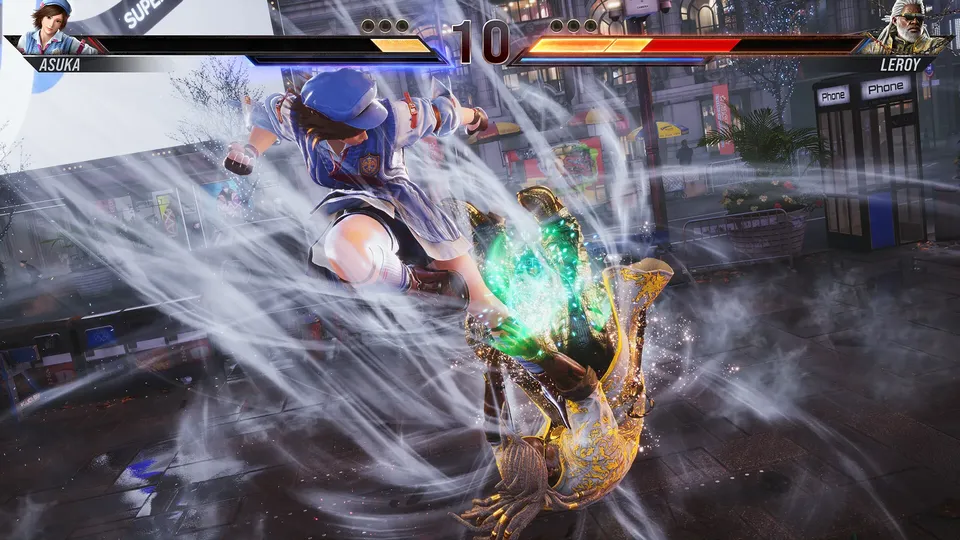
Blazblue hasn’t received a new mainline entry since Central Fiction (2016), but the game’s depth and community have kept it alive. Central Fiction is one of the most mechanically complex fighting games ever made — the Drive system gives every character a unique mechanic, and some constitute entire sub-games. Hazama’s chain-swinging movement, Rachel’s wind manipulation, Arakune’s curse meter — these aren’t variations on a theme. They’re fundamentally different game designs sharing a roster.
Cross Tag Battle brought Blazblue together with RWBY, Persona 4 Arena, and Under Night in a simplified but frenetic tag fighter. More accessible but less deep than Central Fiction.
The criticism: Central Fiction runs on delay-based netcode, which in 2026 is nearly disqualifying. The game isn’t being updated. The competitive scene is in preservation mode.
Who it’s for: Players who want one of the deepest anime fighters ever made and are willing to accept netcode limitations. If you’re near a local scene, Central Fiction offline is extraordinary.
The Indie Scene
16. Them’s Fightin’ Herds
Subgenre: Traditional 2D / Indie | Price: $15 | Netcode: Rollback (excellent, Z-Engine)
Yes, it’s the “pony fighting game.” Get the jokes out now, because TFH is a genuinely excellent fighter that deserves evaluation on its mechanics. Built on the Z-Engine by Mike Zaimont (Skullgirls lead developer), TFH benefits from rock-solid netcode and a pedigree most indie projects can’t claim. The magic system gives each character a unique resource that fundamentally changes their gameplan. The pixel lobby overworld is more charming and functional than lobbies in games with ten times the budget.
The criticism: the aesthetic limits the audience hard. Players who would love the mechanics will never try it because of how it looks. Tiny roster, tiny community, Discord matchmaking required.
Who it’s for: Open-minded fighting game players who evaluate games on mechanics. If you can get past the character designs, you’ll find one of the most well-crafted indie fighters available.
17. Fantasy Strike
Subgenre: Traditional 2D / Ultra-Accessible | Price: Free-to-play | Netcode: Rollback (excellent, GGPO)
David Sirlin’s Fantasy Strike was designed with a single thesis: what if a fighting game removed every execution barrier and left only the decision-making? No complex inputs. No long combos. No meter management. Every move is a single button. Throws are one button. Supers are one button.
The result is a game that teaches you what fighting games are actually about faster than any other game on this list. Spacing, timing, reads, adaptation, matchup knowledge — all the things that matter at high-level play in any fighter are front and center from your first match because there’s nothing else obscuring them.
It’s a teaching tool as much as it’s a competitive game. Players who start with Fantasy Strike and move to SF6 or Strive report that they “get” neutral faster because they’ve already internalized the concepts without execution noise.
The criticism: the removal of execution creates a lower ceiling. High-level Fantasy Strike is deep but not infinitely so. The visual style is clean but unremarkable. The competitive community is very small. And some FGC players dismiss it as “not a real fighting game,” which is unfair but affects perception.
Who it’s for: Complete beginners who want to understand what fighting games are about before committing to a traditional one. Also for veterans who want a palette cleanser between sessions of more demanding games.
18. Fraymakers
Subgenre: Platform Fighter / Indie | Price: $20 (Early Access) | Netcode: Rollback (good)
Fraymakers does something genuinely novel: assists in a platform fighter. Each player picks a main and an assist character drawn from indie game cameos — Octodad, Welltaro from Downwell, The Kid from I Wanna Be the Guy. Calling assists for combo extensions, defensive coverage, or neutral pokes creates decision-making other platform fighters don’t have. It’s Marvel vs. Capcom’s assist philosophy translated into a Smash-like context.
The core gameplay is solid on its own — distinct movesets, satisfying combos, deep edge-guarding. The assists elevate it.
The criticism: still Early Access, incomplete roster, balance in flux. The player base is small even for an indie fighter.
Who it’s for: Platform fighter players who want something mechanically distinct. If Marvel-style assists in a Smash-like game excites you, Fraymakers is worth following.
19. Punch Planet
Subgenre: Traditional 2D / Indie | Price: $20 | Netcode: Rollback (excellent)
Punch Planet is the indie love letter to Street Fighter that deserves more attention. The sci-fi noir pixel art gives it a visual identity that stands out from the anime-dominated indie fighter scene — it looks like a game that should be in a cyberpunk arcade. Gameplay is deliberately traditional: six buttons, fireball motions, anti-airs, footsies. If you play SF6, you’ll understand Punch Planet immediately.
The dev team is small but deeply embedded in the FGC. Balance patches reflect competitive feedback, and the game appears at side tournaments regularly.
The criticism: tiny roster, tiny player base, slow updates, technically still Early Access. It’s a passion project more than a product.
Who it’s for: Street Fighter players who want the traditional formula in an indie package with excellent netcode.
20. Pocket Bravery
Subgenre: Traditional 2D / Retro | Price: $20 | Netcode: Rollback (good)
Pocket Bravery closes out this list as a love letter to the ’90s Neo Geo era and the KOF tradition. The pixel art is gorgeous, evoking SNK’s golden-age sprite work while reading clearly on modern displays. Short hops, runs, rolls, spacing over long combos — it plays like the game you remember, but better.
The Bravery meter adds comeback potential without feeling like rubber-banding. The Brazilian dev team has poured visible passion into every frame, with original character designs and vibrant stages that punch above the budget.
The criticism: tiny indie game, tiny player base, finding matches outside Brazil’s FGC is challenging. It’s a game you play because you love the craft, not for a thriving competitive scene.
Who it’s for: Retro fighting game enthusiasts and KOF fans. If “Neo Geo-style fighter with rollback” makes your heart sing, this is your game.
The State of Fighting Games in 2026
Looking at this list as a whole, a few patterns stand out.
Rollback netcode won. Of the 20 games listed, 19 have rollback netcode. The lone holdout (Blazblue: Central Fiction) is a 2016 game running on legacy infrastructure. Every new fighting game ships with rollback now, and the ones that don’t get immediately criticized for it. The FGC spent years demanding this, and the argument is settled.
Accessibility and depth aren’t enemies. The three biggest games on this list — SF6, Strive, and Tekken 8 — all found ways to make their games more approachable without sacrificing the skill ceiling. Modern Controls, simplified gatling routes, and aggressive system mechanics brought in new players while keeping veterans engaged. The “dumbing down” panic was wrong. Good design serves everyone.
The indie scene is real. Rivals 2, Skullgirls, Them’s Fightin’ Herds, Fraymakers, Punch Planet, Pocket Bravery — indie developers are producing games that tournament players take seriously. You no longer need a Japanese studio to make a competitive fighter.
Platform fighters have arrived. Four entries on this list are platform fighters. Five years ago, that subgenre was “Smash and everything else.” Now it’s a legitimate competitive category with multiple distinct identities.
The fighting game genre is in a golden age. If you’ve ever watched a tournament set and thought “I want to do that” — pick a game from this list, find a character, and start playing. The best time to start was years ago. The second best time is right now.
For a broader look at competitive gaming beyond fighters, check out our best PVP games of 2026 ranking.


Discussion