

For years, the fighting game community had a consistent message to developers: the games aren’t the problem. The way you present and teach them is the problem. Stop dumbing down the mechanics. Stop removing depth to chase casual appeal. Just make the game accessible without making it shallow.
Street Fighter 6 listened. And the results speak for themselves.
The Drive System Is Brilliant
Let’s talk about the Drive System, because it’s the mechanical foundation that makes everything else work.
Every character has a Drive Gauge — six bars of resource that fuel your core defensive and offensive options. Drive Impact (armored attack), Drive Parry (universal parry), Drive Rush (cancel into a dash), Overdrive (powered-up specials), and Drive Reversal (defensive escape). All of them cost Drive.
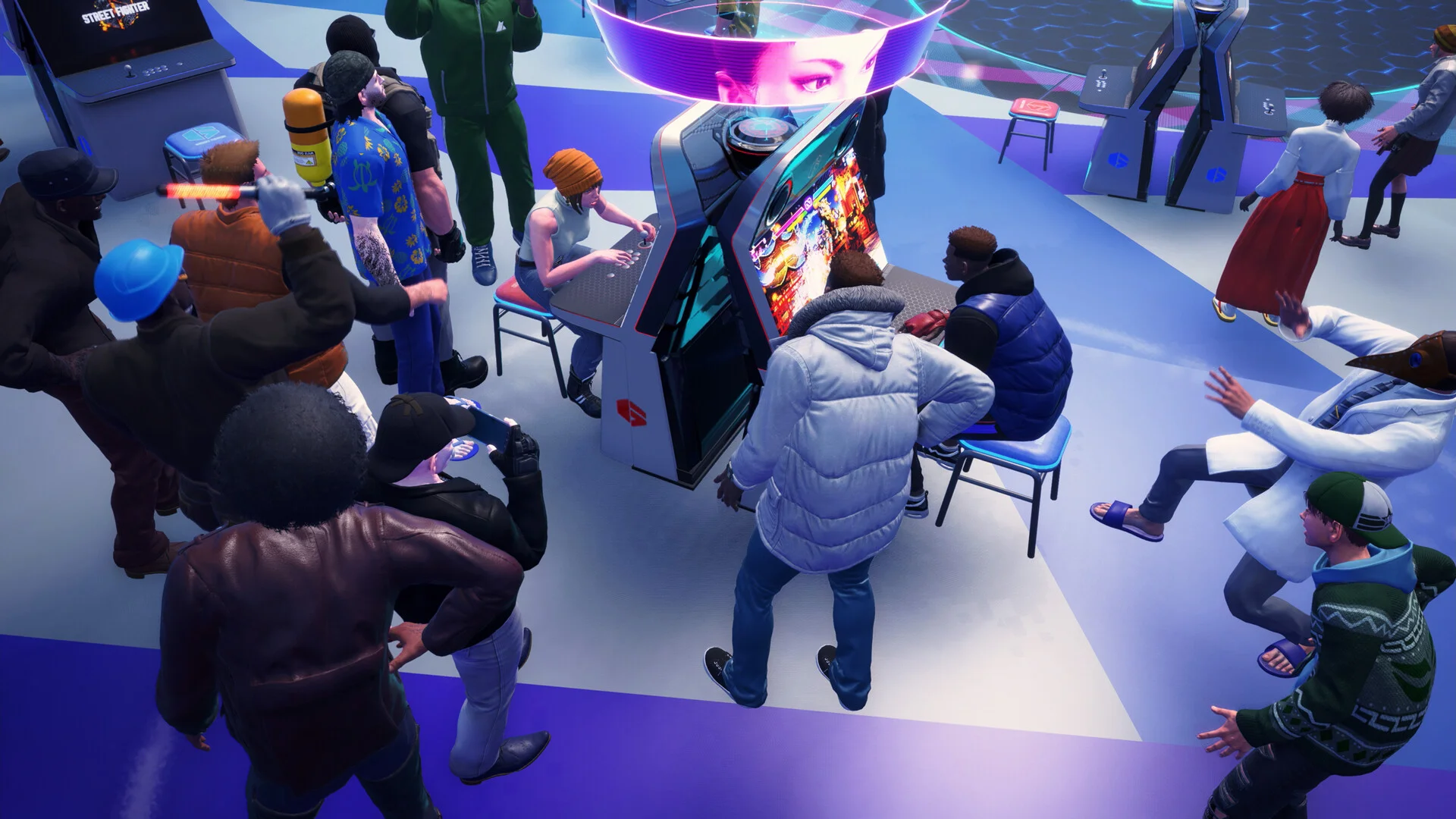
What makes this brilliant is that the system is simultaneously deep and legible. A new player understands “I have a meter, it does things, when it’s empty I’m in trouble.” A competitive player understands the exact risk-reward calculus of spending Drive in neutral versus saving it for defense. The same mechanic serves both audiences without compromising for either.
Compare this to Street Fighter V’s V-System, which was character-specific, opaque, and required wiki research to understand. The Drive System is universal, visual, and intuitive. That’s not simplification — that’s good design.
Modern Controls Actually Work
This was the controversial one. When Capcom announced Modern Controls — a simplified input scheme that trades some move access for one-button specials — the competitive community worried it would undermine the game’s depth.
It didn’t. Modern Controls made SF6 playable for people who’d never been able to execute a dragon punch motion consistently. That’s a massive barrier removed. And the trade-offs are real: Modern players lose access to some combo routes, deal slightly less damage, and have fewer options in certain situations. The system rewards you for learning Classic controls without punishing you for not knowing them yet.
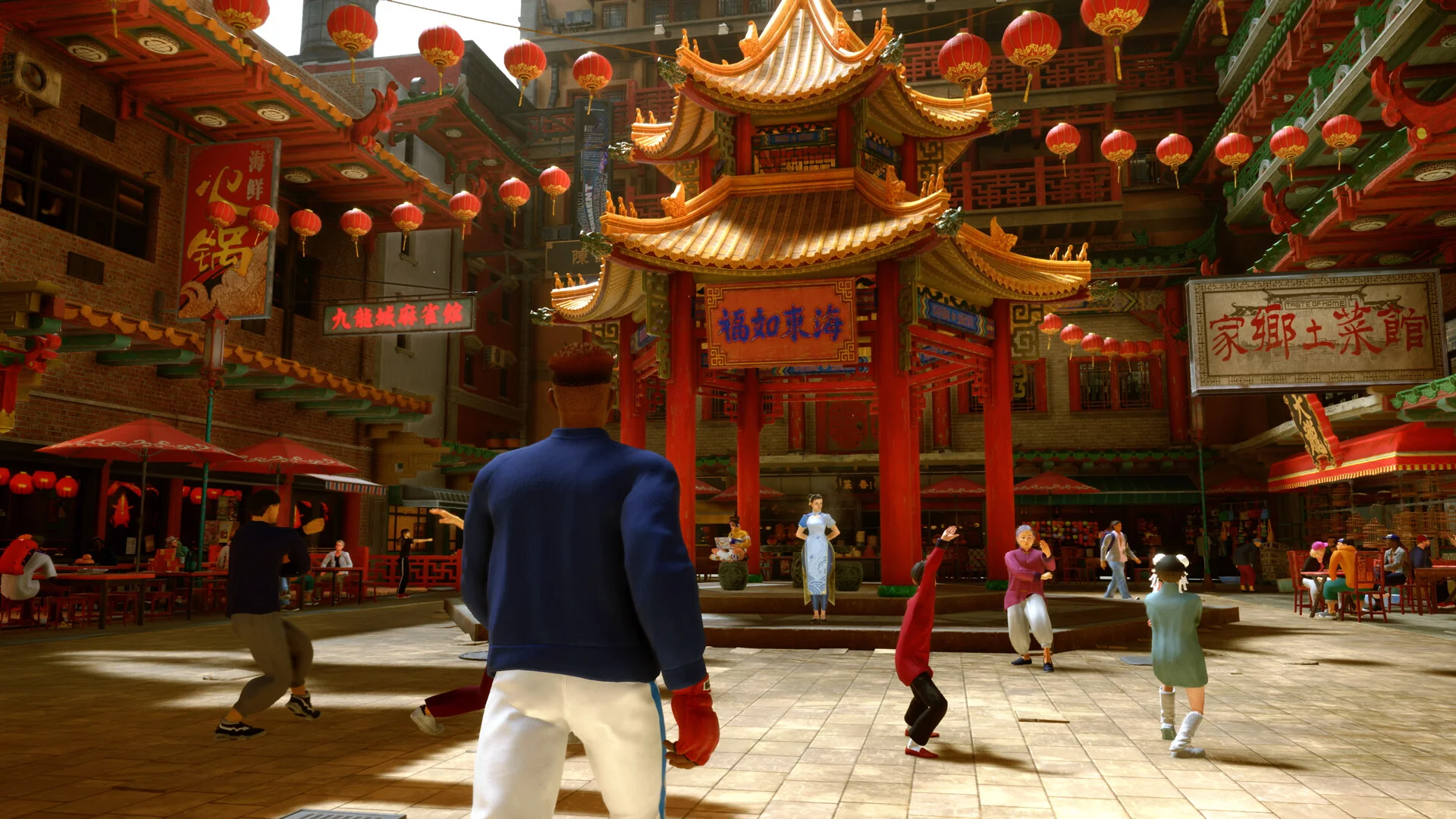
The result is that SF6 has more new players than any Street Fighter game in the series’ history, and the competitive scene hasn’t been compromised. Pros play Classic. New players start Modern and migrate when they’re ready. Both groups are playing the same game.
World Tour Is a Trojan Horse
The single-player World Tour mode looks like a silly RPG where you wander around Metro City punching random people. It is that. But it’s also the best fighting game tutorial ever made, disguised as a game mode people actually want to play.
World Tour teaches you Street Fighter fundamentals through gameplay rather than text boxes. You learn spacing because enemies have different ranges. You learn anti-airs because some enemies jump at you constantly. You learn combo timing because the RPG damage scaling rewards it. By the time someone finishes World Tour and moves to online matches, they have genuine mechanical foundations that no traditional tutorial could provide.
The FGC Was Right All Along
The fighting game community spent years arguing that the genre’s accessibility problem wasn’t about mechanics — it was about presentation, onboarding, and the new player experience. Make the game look inviting. Teach people why it’s fun. Give them a reason to stick around past the first few losses. Don’t gut the depth.
Street Fighter 6 is proof of concept for that argument. The game is mechanically as deep as any Street Fighter has ever been. The competitive scene is thriving. And the player base is the largest in the series’ history. You can have both.
This matters beyond fighting games. Every competitive PVP genre — arena brawlers, tactical shooters, MOBAs — faces the same tension between depth and accessibility. SF6 demonstrates that the solution isn’t simplification. It’s presentation.



Discussion