
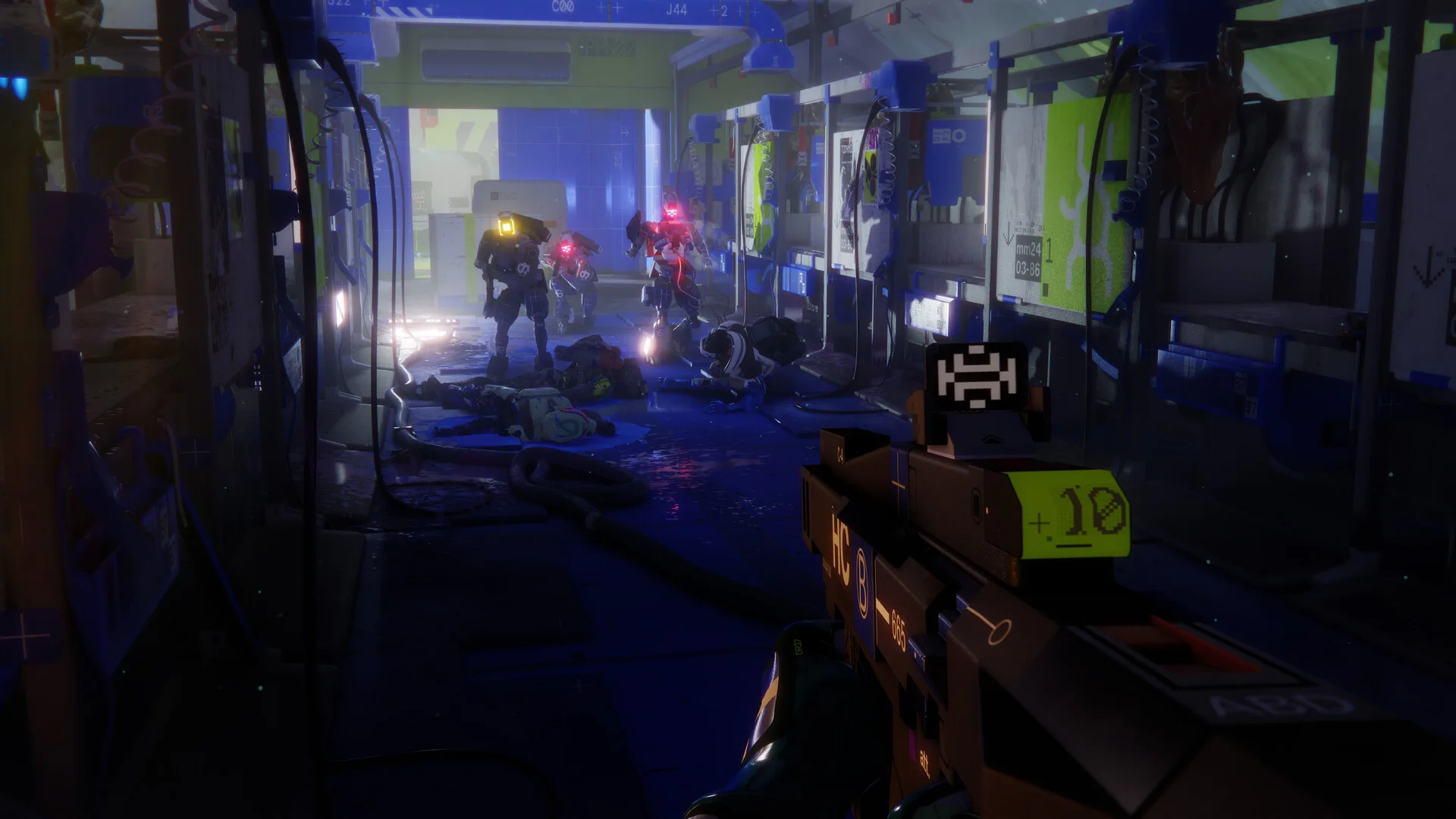
One week after Marathon’s launch, the player count conversation has overtaken the gameplay conversation. That’s never a good sign for a live service game.
Marathon peaked at 88,337 concurrent players on Steam on March 6, the day after launch. By March 12, it had fallen out of Steam’s top 50 most-played games. At off-peak hours, the game dips below 20,000. For context, ARC Raiders — the other major extraction shooter that launched months earlier — maintains over 100,000 concurrent players and has been sitting comfortably in Steam’s top 20.
The community is in panic mode. Marathon’s subreddit and social channels are dominated by player count discourse, with doomsday predictions mixing with genuine concern about long-term viability. That anxiety is understandable. Extraction shooters live and die on population health. Queue times, matchmaking quality, and the frequency of PVP encounters all depend on having enough players in the funnel.
But here’s the part that keeps getting lost in the numbers conversation: Marathon still has a “Very Positive” rating on Steam with thousands of reviews. The people who are playing it largely like it. The problem isn’t the game that exists inside the match. It’s everything that surrounds it.
The Onboarding Wall
Marathon’s new player experience is almost adversarial. The game drops you into high-stakes extraction runs with minimal explanation of its systems. Vendor mechanics, faction reputation, gear progression, extraction zones — none of it is taught in any meaningful way. You learn by dying and losing your gear, then alt-tabbing to a wiki to figure out what happened.
That’s standard for hardcore extraction shooters. Tarkov built an empire on exactly this approach. But Tarkov didn’t launch into a market where a more accessible competitor was already thriving. ARC Raiders does a dramatically better job of easing players into the extraction loop, and it launched first. Marathon is asking new players to endure a steeper learning curve for a game they’re less invested in.
Bungie acknowledged this during the pre-launch Server Slam, when testers flagged the UI as confusing and the difficulty curve as punishing. The feedback was clear. The launch shipped anyway.
The UI Problem
Marathon’s interface has become the single most criticized element of the game. Item readability is poor — you have to hover over everything to understand what it does. Navigating menus requires too many button presses for simple actions. Managing your loadout between runs feels like fighting a second game that’s less fun than the actual one.
This matters more than it sounds. In extraction shooters, the minutes between runs are when players make decisions that affect their next twenty minutes of gameplay. If that decision-making process is frustrating, the entire loop — even the parts that work beautifully — starts to feel like a chore. Bungie has acknowledged the problem and committed to UI improvements, but hasn’t provided a timeline.
What’s Actually Working
Strip away the onboarding and the UI and Marathon has the best gunplay in the extraction shooter genre. That’s not hyperbole. Bungie has been making shooters feel right for over two decades, and that expertise shows in every firefight. Weapons have weight and precision. The TTK rewards positioning without making mechanical skill irrelevant. Engagements feel snappy in a way that the genre’s more simulation-oriented entries don’t match.
The Runner class system adds meaningful build diversity without boxing players into rigid roles. Thief, Hacker, and Breaker each play differently enough that switching classes between runs changes how you approach the same map. The faction system gives long-term progression texture that most extraction shooters lack.
And the PVP encounters — when they happen — deliver the adrenaline that defines the genre. The tension of hearing another Runner’s footsteps while you’re carrying twenty minutes of loot isn’t something any other kind of game replicates. Marathon nails that feeling.
The Population Question
A 50% player count drop in the first week sounds catastrophic, but it needs context. Almost every live service game bleeds players after launch. The curiosity crowd tries it, decides it’s not for them, and moves on. What matters is where the count stabilizes and whether the game retains enough players to keep queue times reasonable and matches populated.
Marathon isn’t there yet. The current numbers are concerning but not terminal. The game has multiple platforms beyond Steam that aren’t reflected in SteamDB charts. Console populations, particularly on PS5 where Bungie has historically had a strong audience, likely add significant numbers.
The danger isn’t today’s player count. It’s the trajectory. If Bungie can ship meaningful UI improvements, add a proper onboarding experience, and deliver the ranked mode that’s been conspicuously absent from launch, Marathon has the core gameplay to support a healthy population. The people who stuck around after the first week genuinely like the game. The question is whether Bungie can lower the barrier for everyone else before the conversation shifts permanently from “Marathon has problems” to “Marathon is dead.”
Extraction shooters are a patience play. Dark and Darker and Tarkov both had rocky early periods and found their audience over time. Marathon has the pedigree and the gunplay to do the same. But the clock is ticking, and ARC Raiders isn’t waiting around.


Discussion