
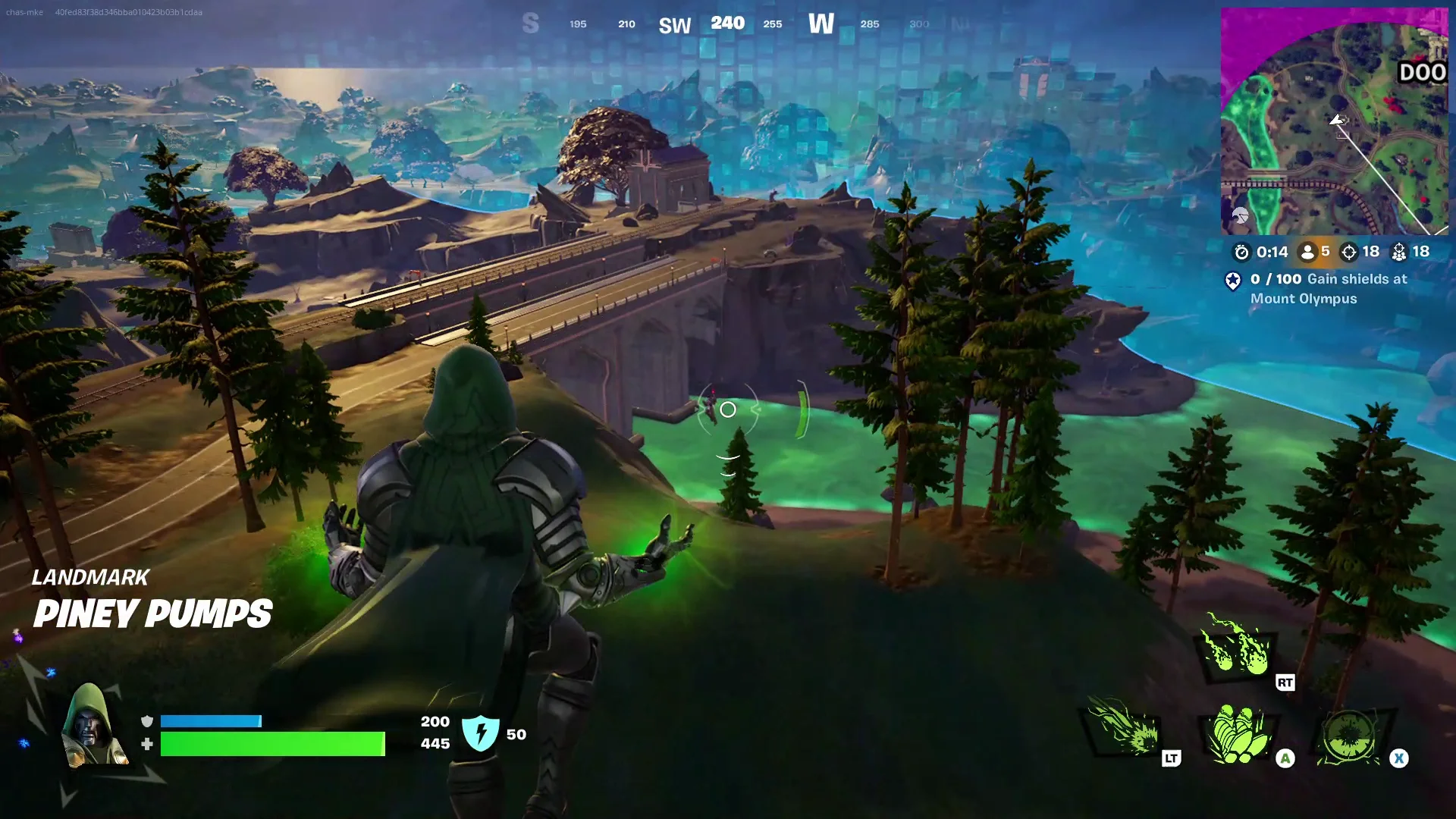
Disney invested $1.5 billion into Epic Games back in February 2024. That was the handshake. Now, according to multiple industry reports, the Mouse wants the whole house — a full acquisition of Epic Games, the company behind Fortnite, Unreal Engine, Rocket League, and a massive chunk of competitive gaming’s infrastructure.
Nothing is confirmed. Tim Sweeney hasn’t signed anything. But the signals are loud enough that if you play competitive games — any competitive games — you need to understand what’s at stake here.
Because Disney doesn’t have a mixed record with game studios. They have a perfect record. They kill every single one.
What We Actually Know
Let’s separate fact from speculation, because that matters.
Confirmed: Disney dropped $1.5 billion on Epic Games in early 2024 to build a “persistent universe” connected to Fortnite. This wasn’t charity — it was a strategic foothold. Bob Iger has been publicly positioning gaming as a core growth pillar for Disney, not a side hustle.
Reported but unconfirmed: Disney is interested in acquiring Epic Games outright. This intel comes from industry analysts and unnamed sources, not from a press release. Treat it accordingly.
Context that makes it plausible: Fortnite’s revenue has been sliding from its 2018-2020 peak. Epic Games Store has operated at a loss for years. Epic’s valuation dropped from roughly $32 billion to around $17 billion on secondary markets before the Disney deal injected cash. Tim Sweeney has been fighting expensive legal wars against Apple. The financial pressure is real.
The massive complication: Tencent owns approximately 40% of Epic Games. Any acquisition would need to navigate that stake, which introduces US-China geopolitical headaches, potential CFIUS review, and a negotiation that could make the Microsoft-Activision deal look simple.
Disney’s Gaming Graveyard
Here’s the part that should make your stomach drop.
Disney has acquired or built the following game studios and properties:
- LucasArts — Gutted after the Lucasfilm acquisition. Iconic studio, decades of history, gone.
- Disney Interactive — Shuttered.
- Disney Infinity — Killed at what many considered peak popularity because the ROI math didn’t work quarter-over-quarter.
- Playdom — Acquired for $763 million. Shut down.
- Club Penguin — Multiple iterations, all eventually killed.
- FoxNext Games — Acquired through the Fox deal, sold off to Scopely.
That’s not a mixed bag. That’s a 100% fatality rate. Every gaming property Disney has touched has either been shut down, gutted, or sold when it stopped serving the quarterly earnings narrative.
The pattern is always the same: acquire, extract brand value, optimize for synergy, lose patience when gaming doesn’t behave like theme parks or movies, kill it.
And you want these people running the company that makes Unreal Engine?
What This Means for Competitive Gaming
This is where most coverage of the Disney-Epic story falls short. Everyone’s talking about IP crossovers and Disney+ integration. Nobody’s talking about what happens to ranked queues, prize pools, and competitive integrity.
Fortnite Competitive Is Already on Life Support
Fortnite’s competitive scene has been in decline for years. Prize pools cratered from the $100 million World Cup era to significantly smaller FNCS payouts. Communication with the comp community has been inconsistent at best, hostile at worst. Meta decisions consistently favor casual play and content creation over competitive balance.
Disney ownership accelerates every one of these trends. Disney doesn’t think in terms of competitive integrity — they think in terms of brand-safe spectacle. FNCS under Disney wouldn’t be an esport. It would be a branded entertainment event with gaming elements.
Imagine FNCS where every match is interrupted by a Marvel tie-in, where player expression is restricted to Disney-approved emotes, and where the broadcast feels more like a Disney Channel special than a competition. That’s not a hypothetical — that’s Disney’s entire operational DNA.
The Unreal Engine Problem Nobody’s Discussing
This is the sleeper issue that dwarfs the Fortnite conversation.
Unreal Engine 5 powers a massive percentage of the competitive gaming landscape. Titles across every genre rely on Epic’s engine and toolset. If Disney owns Unreal Engine, that introduces conflicts of interest that the entire industry should be worried about.
Would Warner Bros. trust Disney-owned middleware for their next competitive title? Would Sony? Would any publisher with competing IP want Disney having visibility into their development pipeline through engine licensing?
Epic has maintained trust as an engine provider precisely because they’re an independent, developer-first company. Disney is the opposite of that. They are an IP-first, brand-first, synergy-first conglomerate that views every asset through the lens of the Disney ecosystem.
Unreal Engine licensing terms, pricing, and feature priorities could all shift under Disney ownership. Maybe not immediately. But eventually, always eventually, the parent company’s interests reshape the subsidiary’s priorities.
Rocket League, Fall Guys, and the Rest
People forget that Epic doesn’t just own Fortnite. Rocket League has a thriving competitive scene. Fall Guys has its niche. Epic publishes and supports multiple titles.
Under Disney, every one of these properties gets evaluated on one metric: does it serve the Disney ecosystem? Rocket League doesn’t have Marvel characters. It doesn’t sell Disney+ subscriptions. It doesn’t drive theme park attendance.
That’s how Disney Infinity got killed. Not because it wasn’t profitable — because it wasn’t profitable enough relative to Disney’s other verticals. When you’re competing for investment dollars against Marvel movies and theme parks, a game with “only” tens of millions of players is a rounding error.
The Case for Cautious Optimism
I’d be a dishonest writer if I didn’t acknowledge the potential upside, even if I think the downside is more likely.
Disney owns ESPN, ABC, Disney+, and Hulu. No other company on Earth has that kind of broadcast infrastructure. If Disney decided to go all-in on Fortnite as a spectator esport, they could put FNCS Grand Finals on ESPN with production value that makes the League of Legends World Championship look like a high school play.
Disney has functionally unlimited money. If they see competitive Fortnite as a marketing funnel for their broader ecosystem — and if someone in the building actually understands gaming — they could fund tournament circuits at a scale nobody else can match.
The $1.5 billion investment already brought more Disney IP into Fortnite, and casual players loved it. More crossover content, more creative mode investment, more reasons for the massive casual playerbase to engage — that’s not nothing. A bigger casual ecosystem means more potential converts to competitive play.
But here’s the thing: all of that upside requires Disney to respect gaming as its own medium with its own culture, its own communities, and its own definition of success. Disney has never demonstrated that capability. Not once.
Tim Sweeney Is the Firewall — For Now
Tim Sweeney holds a controlling stake in Epic Games. He has been vocally, aggressively, repeatedly opposed to giving up control. The man fought Apple all the way to the Supreme Court over his vision of an open digital ecosystem. He didn’t do that so he could hand the keys to the most IP-protective corporation in human history.
If Sweeney sells, it means one of two things:
- The financial pressure finally became untenable. Epic’s losses, Fortnite’s revenue decline, and the cost of maintaining Unreal Engine development forced his hand.
- He got a number so astronomical that ideology couldn’t compete with math.
Either way, if Sweeney sells to Disney, it’s a signal that independent gaming at the highest level is no longer financially viable. And that should concern everyone — not just Fortnite players.
This isn’t just about one game or one company. It’s about whether the studios making competitive games answer to people who play games or people who optimize quarterly shareholder reports.
The Consolidation Era Claims Another One
Zoom out for a second.
Microsoft bought Activision Blizzard for $69 billion. Sony bought Bungie. Saudi Arabia’s Savvy Games Group is investing billions across the industry. Embracer went on a buying spree that imploded spectacularly. Every year, the number of independent studios making major competitive games shrinks.
Epic was one of the last big holdouts. A privately controlled company run by a guy who genuinely cares about game development, open ecosystems, and developer empowerment. Say what you want about the Epic Games Store’s rough launch or Fortnite’s balance decisions — Sweeney’s independence meant Epic could make long-term bets that publicly traded companies can’t.
Disney buying Epic would be the entertainment industry’s answer to Microsoft-Activision — and arguably more impactful, because Unreal Engine’s tentacles reach into almost every major studio’s pipeline.
Where This Goes from Here
Nothing is signed. Tencent’s 40% stake makes this logistically nightmarish. Tim Sweeney could tweet “lol no” tomorrow and the whole story evaporates.
But the fact that these reports exist, that they’re credible enough for serious industry analysts to discuss, tells you something about where Epic’s financial position stands and where Disney’s ambitions lie.
Monitor these signals:
- Tim Sweeney’s social media — he historically responds to acquisition rumors directly and forcefully. Silence would be more telling than denial.
- Fortnite competitive prize pool announcements — if they continue shrinking, the financial pressure narrative strengthens.
- Tencent’s moves — any restructuring of Tencent’s Epic stake is a precursor to a deal.
- Disney earnings calls — listen for language about “gaming as a platform” versus “gaming as content.” The distinction matters.
- Unreal Engine licensing changes — any shift in terms or pricing could indicate new ownership priorities.
Here’s my honest read: Disney buying Epic Games would be the single most consequential acquisition in competitive gaming history. Not because of Fortnite alone, but because of what Unreal Engine means to the entire ecosystem.
And the company with a 100% studio kill rate wants the keys.
Sleep well.


Discussion